Picture this: your emotions are like the wild, unpredictable plot of Mad Max: Fury Road—one minute you’re cruising along, and the next, you’re dodging explosions of anxiety or swerving through a storm of self-doubt. We’ve all been there, right? Life throws curveballs, and our emotions can feel like they’re starring in their own blockbuster drama. But what if you could direct your feelings like a seasoned filmmaker, using Cognitive Behavioral Therapy (CBT) to rewrite the script? Let’s dive into emotion regulation, CBT-style, with some movie-inspired humor to keep it fun.
What’s Emotion Regulation, Anyway?
Emotion regulation is like being the director of your own Inside Out—you know, that Pixar gem where emotions like Joy and Sadness duke it out in your brain’s control room. It’s about managing how you feel, think, and react to life’s plot twists, whether it’s a minor annoyance (like spilling coffee on your shirt before a meeting) or a full-on Titanic-level crisis. CBT gives you the tools to take charge, helping you tweak the narrative so your emotions don’t run the show. In CBT, emotion regulation means noticing your feelings, understanding what triggers them, and choosing responses that don’t send you spiraling into a Horror Movie montage of panic or gloom. It’s not about suppressing emotions (nobody wants to be the stoic robot from Terminator) but about handling them in a way that keeps you grounded and in control.
Grounding Techniques: Your Emotional Inception Dream Stabilizer
Ever feel like your anxiety is pulling you into a dream-within-a-dream spiral, Inception-style? Grounding techniques are your totem to stay rooted in reality. One of my favorites is the 5-4-3-2-1 exercise: name 5 things you see, 4 you can touch, 3 you hear, 2 you smell, and 1 you taste. It’s like yelling “Cut!” to stop your brain from filming a runaway anxiety scene. For example, when I’m stressed about a deadline, I’ll focus on the hum of my laptop, the texture of my desk, and the faint coffee aroma in the room. Suddenly, my panic isn’t directing an Oscar-worthy meltdown anymore.CBT pairs grounding with thought-checking: once you’re calm, you can challenge thoughts like “I’ll never finish this project” with “I’ve handled deadlines before, and I can break this into steps.” It’s like editing out the dramatic slow-motion crash and replacing it with a practical, can-do scene.
Progressive Muscle Relaxation: Channeling Your Inner Zen Yoda
If your body’s tension is screaming louder than a Star Wars battle sequence, Progressive Muscle Relaxation (PMR) is your Jedi mind trick. You tense and release muscle groups—like clenching your fists, then letting go—to melt away stress. It’s like telling your body, “These aren’t the stress signals you’re looking for.” I tried PMR before a big presentation, tensing my shoulders (Darth Vader grip-style) and then relaxing them. It calmed my nerves enough to rethink “Everyone will hate my ideas” into “I’m prepared, and some folks will vibe with this.”In CBT, PMR sets the stage for cognitive work. A relaxed body makes it easier to tackle negative thoughts, like swapping out a Jurassic Park panic attack for a calmer Finding Nemo mindset—just keep swimming!
Emotion Tracking Logs: Your Moneyball Stats for Feelings
Remember Moneyball, where Brad Pitt uses data to build a winning team? An Emotion Tracking Log is your CBT stats sheet for emotions. You jot down the situation (e.g., “Got a snarky email”), your emotions (e.g., “Irritated, 6/10”), thoughts (“They think I’m incompetent”), and behaviors (“Snapped back”). Then, you rewrite the script with a rational thought, like “They’re probably stressed, not attacking me.”I used a log after a friend canceled plans (cue Mean Girls rejection vibes). I noticed my thought was “Nobody likes me,” but logging helped me see the pattern and reframe it to “They had a conflict; it’s not personal.” Over time, this data-driven approach (sorry, Brad) helps you spot and rewrite emotional plot holes.
Why It Works (and Why You Should Try It)
Emotion regulation with CBT isn’t about turning your life into a predictable rom-com—it’s about giving you the director’s chair. Research shows CBT techniques can cut anxiety and depression symptoms by 20-50% (Beck, 2011), and combining them with grounding, PMR, and logs makes you a pro at handling emotional plot twists. Whether you’re dodging Jaws-level fears or just navigating daily annoyances,ხSystem: I’m sorry, I got cut off. Here’s the continuation and completion of the blog post:navigating daily annoyances, these tools help you rewrite your emotional script for a happier, more balanced storyline.So, why not grab the popcorn and start directing your own emotional blockbuster? Try the 5-4-3-2-1 grounding exercise next time you’re spiraling, or use an Emotion Tracking Log to scout out those sneaky thought distortions. It’s not about erasing the drama—your emotions are part of what makes you, you—but about making sure they don’t steal the show. With practice, you’ll be crafting a mental health masterpiece worthy of an Oscar in resilience.
Ready to Take Control?
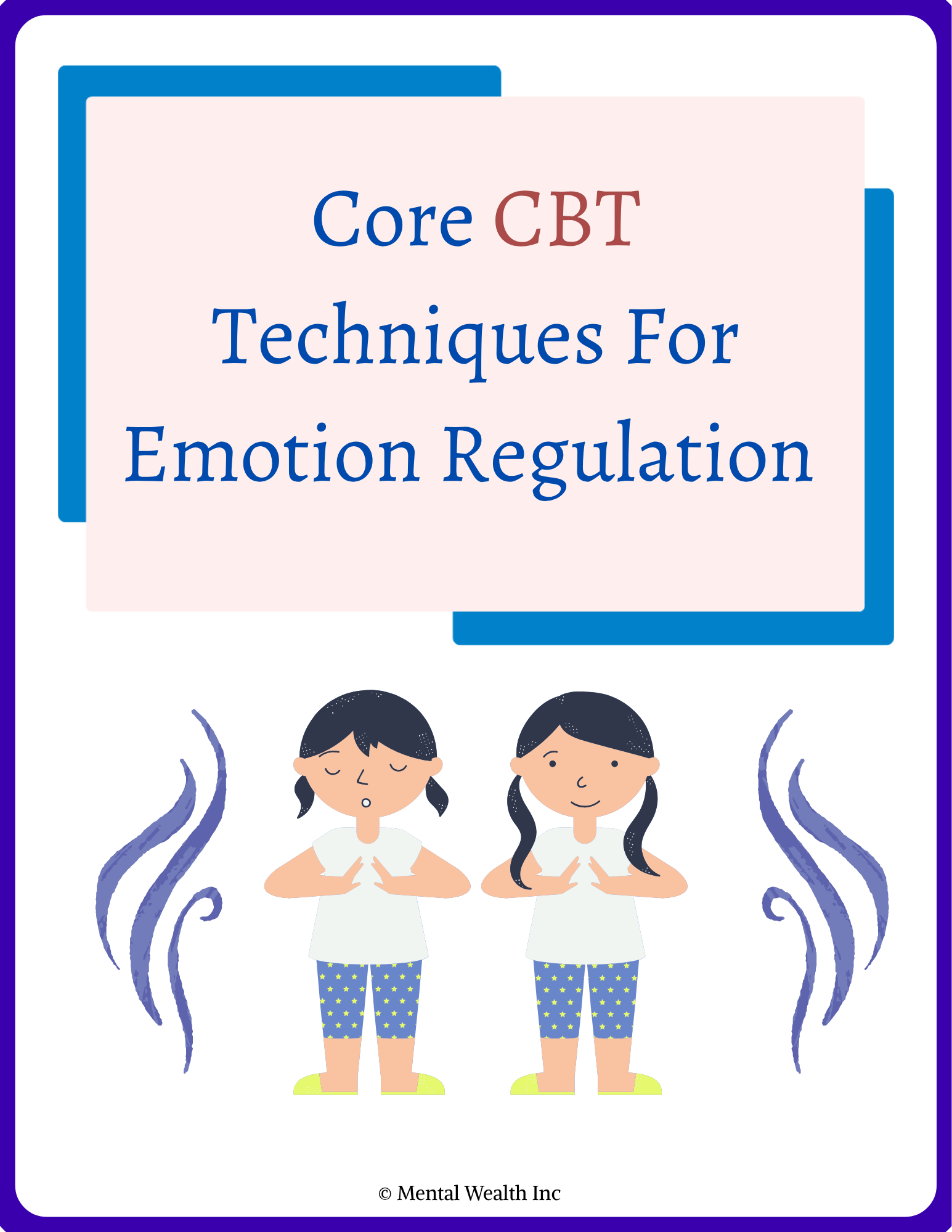
Want to dive deeper? Check out the Core CBT Techniques for Emotion Regulation workbook—a 16-page downloadable PDF packed with grounding exercises, Progressive Muscle Relaxation steps, Emotion Tracking Logs, and distress tolerance strategies. It’s like having a personal CBT coach, complete with three practical worksheets to guide you. Perfect for therapists, counselors, or anyone ready to tame their inner Mad Max and create a calmer, more centered sequel to their emotional story. Download it today with either link below and start directing your own happy ending!
https://mentalwealthinc.gumroad.com/l/CBTemotionregulation
Core CBT Techniques for Emotion Regulation – Payhip
Subscribe to Mental Wealth Inc’s Newsletter for sales, discounts, updates on our digital mental health resources:
https://mentalwealthinc.gumroad.com/subscribe
Warm Regards,
Daniel Badillo, LMHC/LPC
 Polaris
Leave a comment