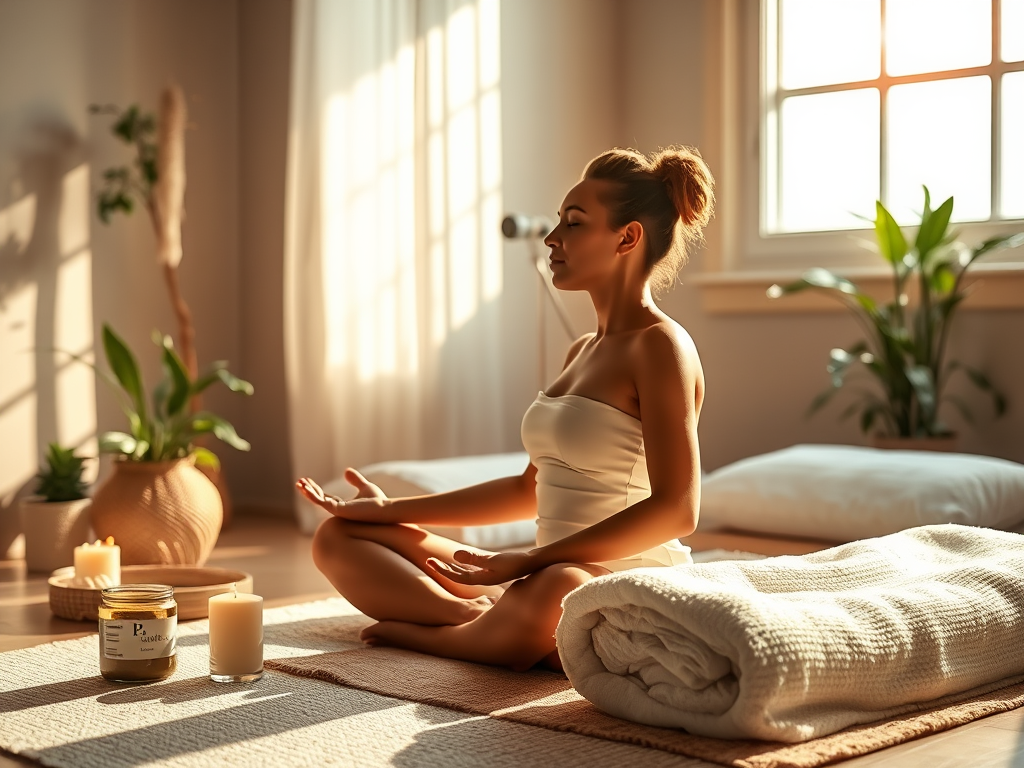
As a mental health counselor, I spend my days holding space for others, listening to their stories, and guiding them through their struggles. It’s rewarding work, but it’s also emotionally demanding. Over the years, I’ve learned that one of the most critical tools for both my clients and myself is self-care. It’s not a luxury or a buzzword—it’s a necessity for mental, emotional, and physical well-being. Today, I want to share why self-care matters, how it impacts our lives, and practical ways to weave it into your routine.
Why Self-Care Matters
Self-care is about intentionally taking time to nurture yourself so you can show up fully in your life. For many of us, especially those in caregiving roles, it’s easy to prioritize others’ needs over our own. But here’s the truth: you can’t pour from an empty cup. Neglecting self-care doesn’t just lead to burnout—it can erode your mental health, strain relationships, and dim your sense of purpose.
In my practice, I often see clients who feel overwhelmed, anxious, or disconnected. Many of them share a common thread: they’ve stopped taking care of themselves. Whether it’s due to demanding jobs, family responsibilities, or societal pressure to “hustle,” they’ve pushed their own needs to the back burner. The result? Emotional exhaustion, resentment, or even physical health issues. Self-care isn’t selfish—it’s the foundation that allows us to thrive and support others effectively.
The Science Behind Self-Care
Research backs this up. Studies show that consistent self-care practices, like mindfulness, exercise, or even adequate sleep, can reduce symptoms of anxiety and depression, improve focus, and boost resilience. For example, a 2019 study in Frontiers in Psychology found that mindfulness-based self-care practices significantly lowered stress levels in healthcare professionals. As a counselor, I see this in action: clients who incorporate small, intentional self-care habits often report feeling more grounded and better equipped to handle life’s challenges.
Self-care also helps regulate our nervous system. When we’re constantly in “go” mode, our bodies stay in a state of heightened stress, flooding us with cortisol. Over time, this can lead to chronic stress, fatigue, or even illness. Simple acts like deep breathing, journaling, or taking a walk can signal to our brain that it’s safe to relax, restoring balance.
What Self-Care Looks Like
Self-care doesn’t have to be elaborate or time-consuming. It’s not about spa days or expensive retreats (though those can be nice!). It’s about finding small, sustainable ways to check in with yourself. Here are a few practices I recommend to my clients—and use myself:
- Set Boundaries: Learn to say “no” to things that drain you. Protect your time and energy by prioritizing what aligns with your values.
- Move Your Body: Physical activity, even a 10-minute walk, releases endorphins and reduces stress. Find movement that feels good, whether it’s yoga, dancing, or a quick stretch.
- Practice Mindfulness: Spend a few minutes each day focusing on your breath or noticing your surroundings. Apps like Headspace or Calm can guide you if you’re new to mindfulness.
- Connect with Others: Reach out to a friend, share a laugh, or join a community group. Human connection is a powerful form of self-care.
- Rest Intentionally: Sleep is non-negotiable. Create a bedtime routine that signals to your body it’s time to wind down, like reading or limiting screen time.
- Reflect and Process: Journaling or talking to a trusted friend or therapist can help you process emotions and gain clarity.
Making Self-Care a Habit
The biggest hurdle I hear from clients is, “I don’t have time.” I get it—life is busy. But self-care doesn’t require hours; it requires intention. Start small. Maybe it’s five minutes of deep breathing in the morning or a quick gratitude list before bed. Over time, these moments add up, creating a ripple effect of calm and resilience.
As a counselor, I’ve had to learn this lesson myself. There were times early in my career when I overextended myself, thinking I could “power through” without rest. The result was burnout that left me feeling disconnected from my work and my clients. Now, I prioritize small daily acts of self-care—like a morning walk or a quiet cup of tea—and I’ve noticed a profound difference in my energy and empathy.
A Gentle Reminder
If you’re reading this and feeling guilty for not “doing enough” self-care, let me offer some grace: you’re doing your best, and that’s enough. Self-care isn’t about perfection; it’s about progress. Start where you are, with what you have. Even one intentional act of kindness toward yourself today can make a difference.
As mental health professionals, we often remind our clients that they’re worthy of care. But we need to hear it too—and live it. By prioritizing self-care, we not only nurture ourselves but also model for others what it looks like to live with intention and compassion.
So, take a deep breath. Ask yourself: What’s one small thing I can do for myself today? Whatever it is, do it without judgment. You deserve it.
What’s your favorite self-care practice? I’d love to hear about it in the comments below.
Warm Regards,
Daniel Badillo, LMHC/LPC
 Polaris
Leave a comment